Phonics
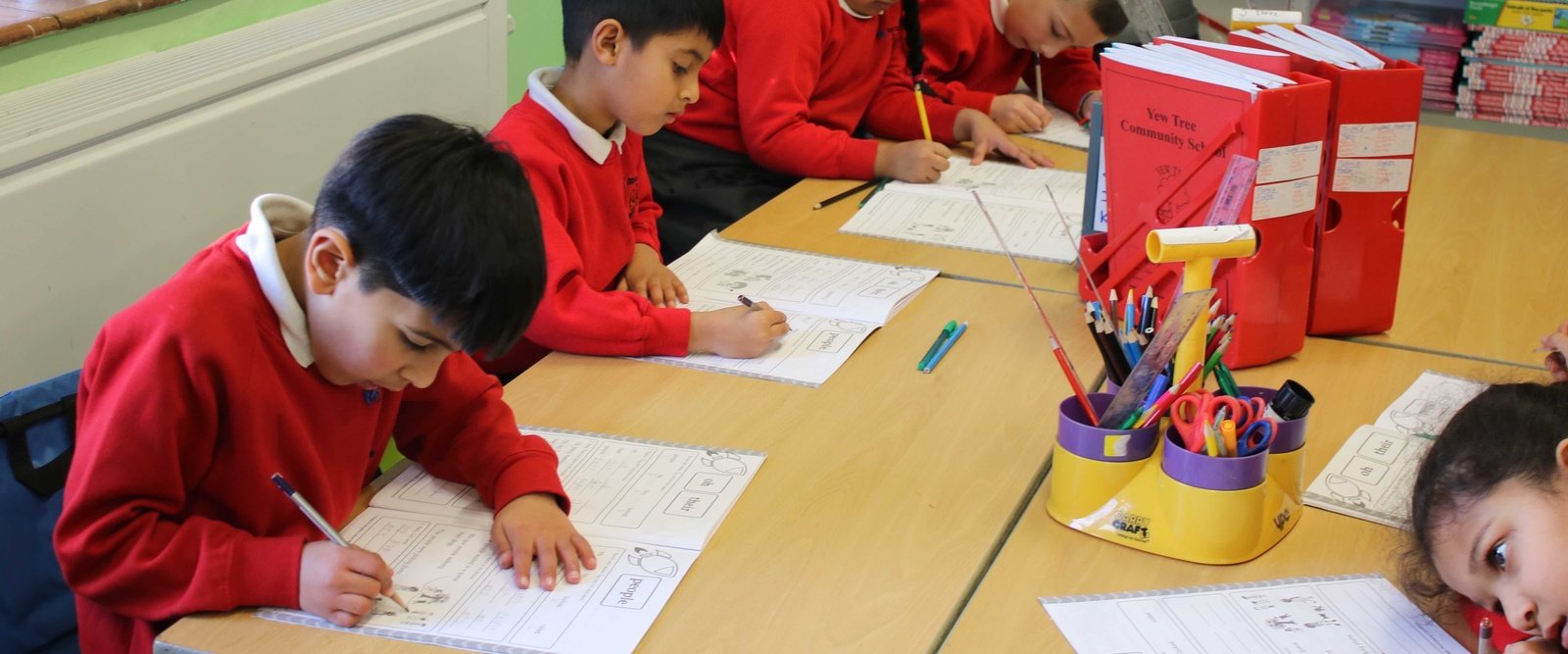
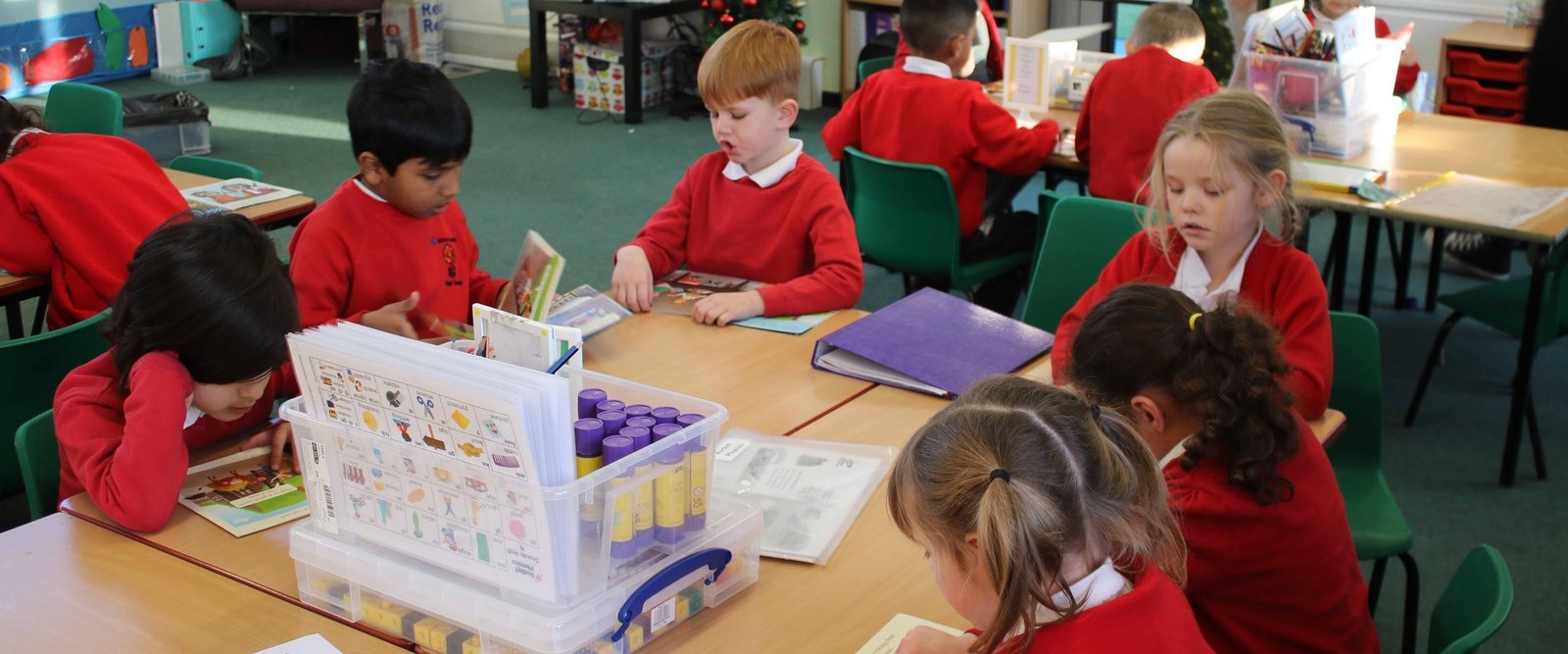
At Yew Tree Community School, we want to make every child a reader. It is essential that our approach to teaching phonics and reading is accessible to all learners, regardless of their background. We also want to make reading pleasurable and create a love of reading across the school.
Intent
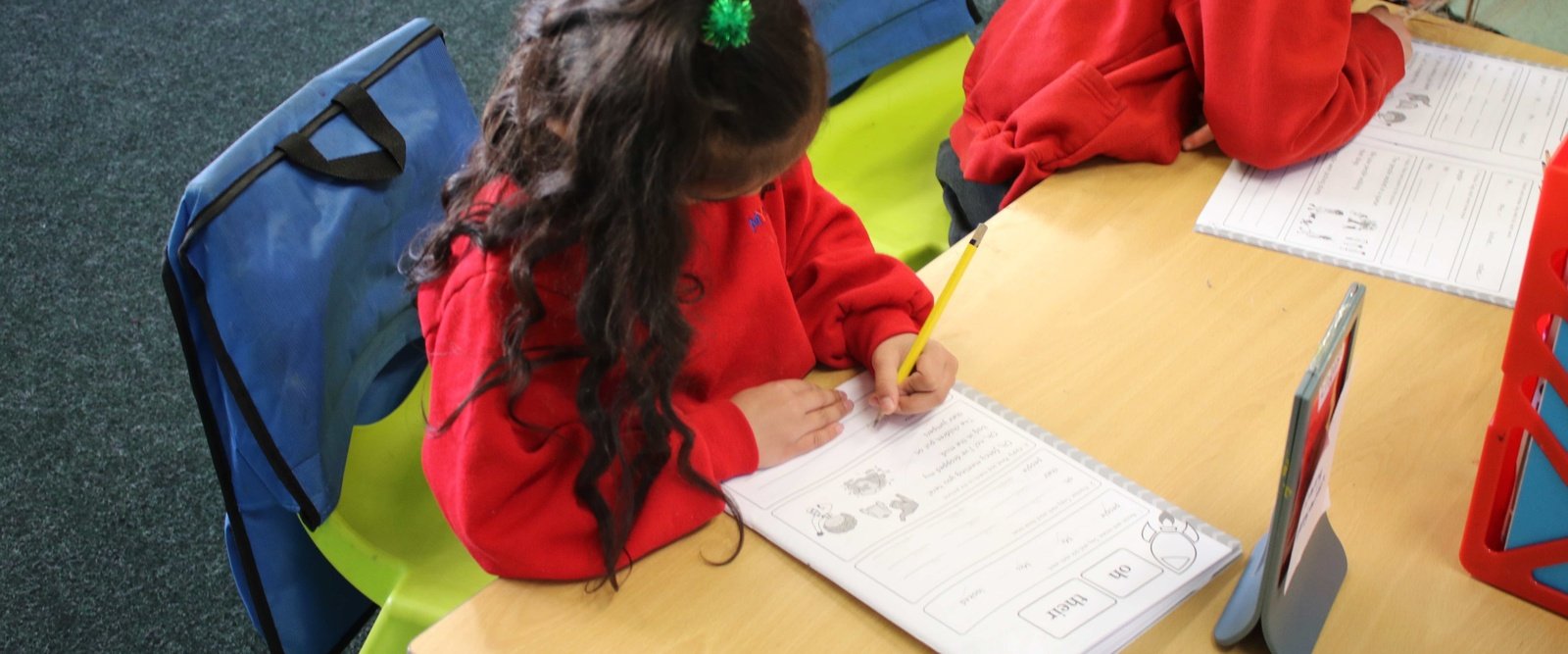
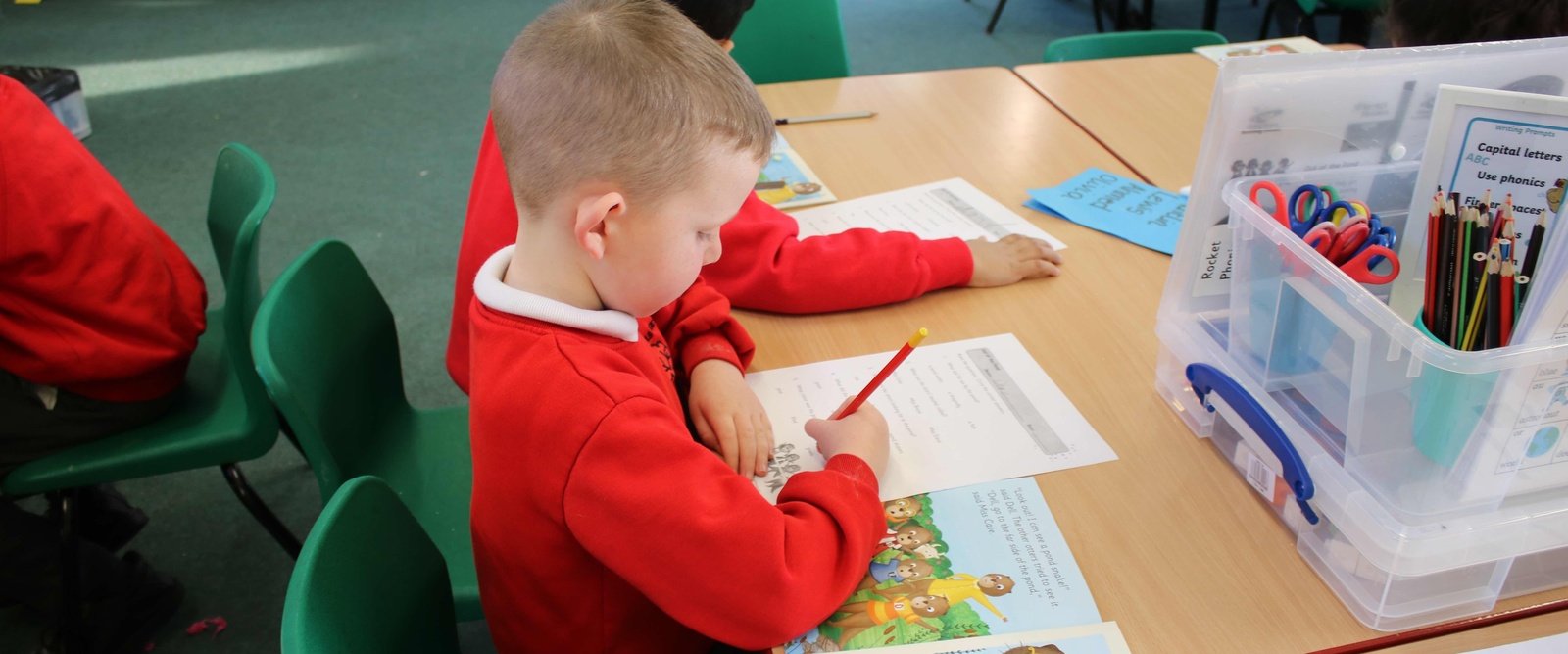
At Yew Tree Community School, we believe that all our children can become fluent readers and writers. This is why we teach reading through Little Wandle Letters and Sounds Revised, a systematic and synthetic phonics programme. We start teaching phonics in Nursery following the Little Wandle Letters and Sounds Revised foundation programme through listening and tuning into sounds. Once the children reach Reception, they follow the Little Wandle Letters and Sounds Revised progression, which ensures children build on their growing knowledge of the alphabetic code, mastering phonics to read and spell as they move through school.
At Yew Tree Community School, we also model the application of the alphabetic code through phonics in shared reading and writing, both inside and outside of the phonics lesson and across the curriculum. We have a strong focus on language development for our children because we know that speaking and listening are crucial skills for reading and writing in all subjects. This enables the children to become fluent and confident readers.
Implementation
Nursery
We provide a balance of child-led and adult-led experiences for all children that meet the curriculum expectations for ‘Communication and language’ and ‘Literacy’. We use the new Little Wandle foundation for phonics programme.
This includes:
-
sharing high-quality stories and poems
-
learning a range of nursery rhymes and action rhymes
-
activities that develop focused listening and attention, including oral blending
-
attention to high-quality language
We ensure Nursery children are well prepared to begin learning grapheme-phoneme correspondences (GPCs) and blending in Reception.
Reception and Year 1
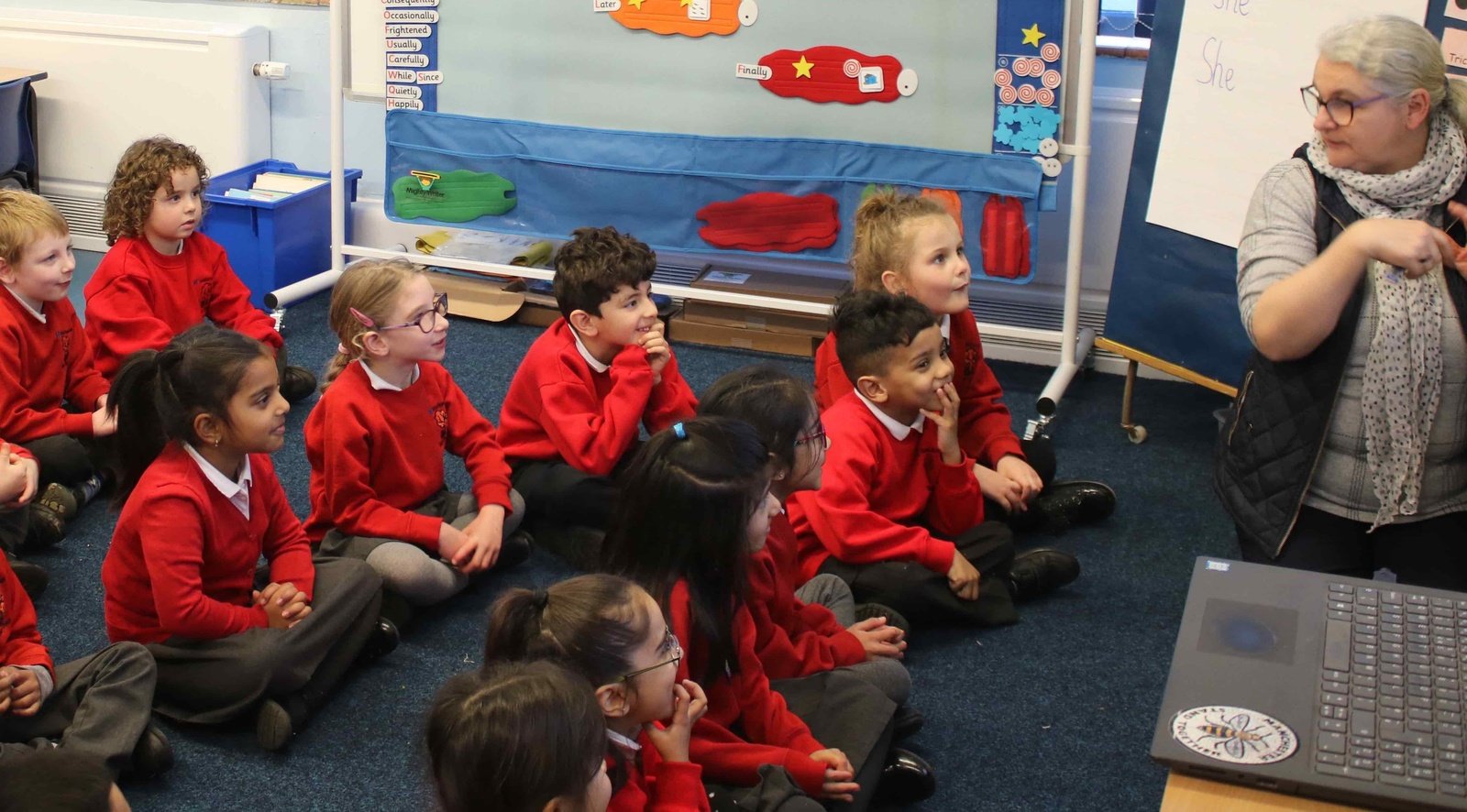
We teach phonics for up to 25 minutes a day. Each Friday, we review the week’s teaching to help children become fluent readers. Children make a strong start in Reception: teaching begins in Week 2 of the Autumn term. Children in Reception are taught to read and spell words using Phase 2 and 3 GPCs, and words with adjacent consonants (Phase 4), with fluency and accuracy. Children in Year 1 review Phases 3 and 4 and are taught to read and spell words using Phase 5 GPCs with fluency and accuracy.
Daily Keep-up lessons
Any child who needs additional practice has daily keep-up support, taught by a fully trained adult. Keep-up lessons match the structure of class teaching and use the same procedures, resources and mantras, but in smaller steps with more repetition, so that every child secures their learning.
Year 2
In Year 2, the children follow the Little Wandle Letters and Sounds Revised programme. This is tailored to Year 2 children to consolidate their phonics understanding and follows a structured spelling programme for KS2. Phonics lessons continue for children who are not fully fluent in their reading or who have not yet met the required standard in ongoing assessments. Additional practice sessions using Little Wandle keep-up materials are planned so these children can urgently catch up.
Key Stage 2
We timetable phonics rapid catch-up intervention sessions for any child in Year 3 and above who is not fully fluent at reading or has not passed the ongoing assessments. These lessons last 15–20 minutes and use Little Wandle Rapid Catch-up resources to ensure children catch up quickly.
Consistency of teaching phonics
Every teacher and teaching assistant who delivers phonics at Yew Tree Community School has been trained to teach phonics and reading, ensuring consistent expectations and approaches across the school.
This includes:
-
Weekly content grids mapping learning across the programme
-
Lesson templates, prompt cards and ‘How to’ videos supporting consistent practice
-
Individual and group coaching sessions delivered by the Reading Leader
-
Regular monitoring by the Reading Leader and SLT to ensure fidelity to the programme
Impact
Assessment
Assessment is used to monitor progress and identify any child needing additional support. Teachers assess daily through observation of GPC recognition, segmenting and blending. Summative assessments take place every six weeks. This data is analysed by the Early Reading Lead and SLT to identify gaps, track progress and plan support.
During every reading session, observations are recorded on reading practice sheets kept in group files.
Statutory Assessment
Children in Year 1 sit the Phonics Screening Check. Any child who does not pass the test resits it in Year 2.
How to Support Your Child at Home
Here is the Little Wandle website for extra support for you to help your child at home.
For parents | Letters and Sounds (littlewandlelettersandsounds.org.uk)
